From Asama Onsen to the castle town: walking Matsumoto’s 2026 art festival
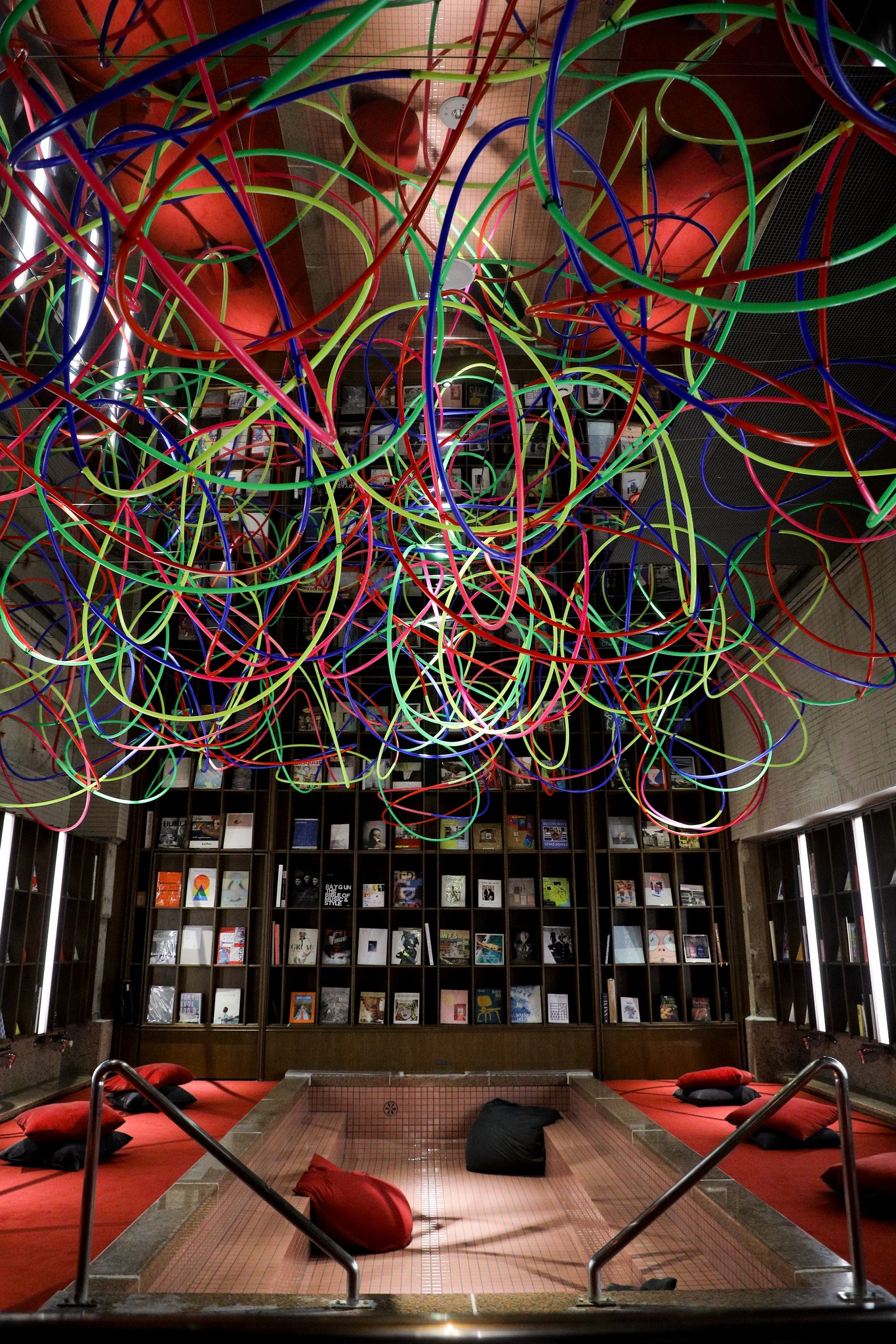
Kengo Kito’s hula-hoop installation in the Otona Honbako bookshop at Matsumoto Honbako (Matsumoto Jujo).
Matsumoto Honbako, the book hotel run by Jiyujin in the hot-spring neighbourhood of Asama Onsen, is hosting the Matsumoto Architecture + Art Festival this autumn. The setting is Otona Honbako, a bookshop built inside the former communal bath of the Koyanagi inn. Kengo Kito’s brightly coloured hula hoops hang above the old bath and the shelves.
The second phase of Matsumoto Architecture + Art Festival 2026 ADVANCE opened on 3 November. Until 13 December, 18 artists and groups from Japan and abroad are showing work at 19 venues across 18 sites. Four venues are in Asama Onsen, all within a walk of the bookshop.
A bookshop, a bathhouse and a sky full of hoops
When Matsumoto Jujo took shape, the old Koyanagi inn’s bath and handrails were kept. You can settle down with a book right where guests once came for a soak. During the festival, that same room is a contemporary art space.
The mirrored ceiling makes Kito’s hoops look as though they keep going. Try looking from the doorway, then step down into the bath and look up. Even those of us who know the bookshop well found ourselves seeing it afresh. Admission is free, with an advance reservation.
Visiting the Matsumoto Honbako exhibition
3-13-1 Asama Onsen, Matsumoto, Nagano
12:00–17:00 (last admission at 16:00)
Festival closure dates: 7 and 30 November
Free admission. Book ahead for a one-hour visit from your reserved time.
Matsumoto Honbako exhibition details and reservations
Three more stops in Asama Onsen
Former Asama Onsen Geien Association (upstairs at Tanabe Pharmacy) × Kengo Kito
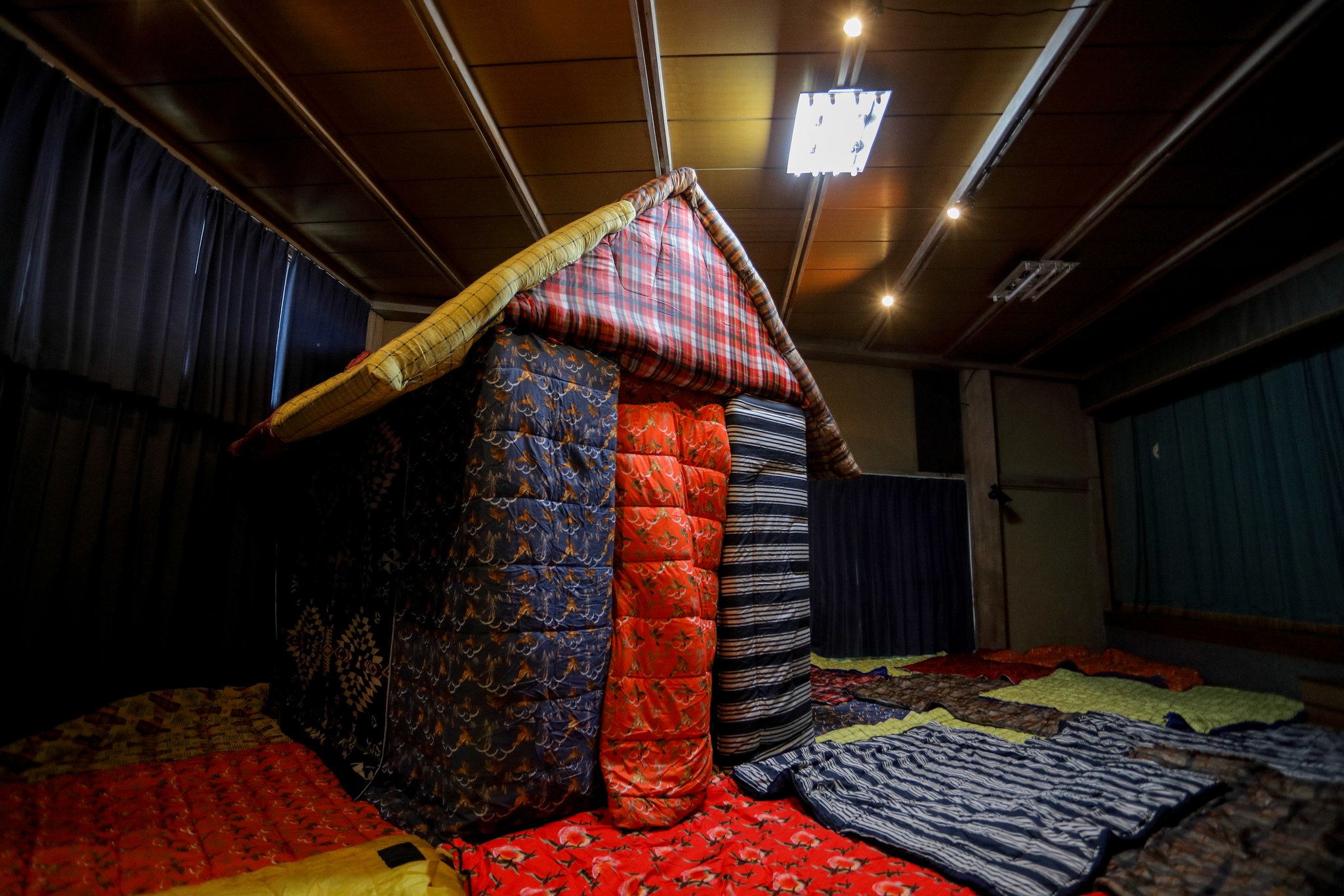
From Matsumoto Honbako, walk into the hot-spring neighbourhood to the former Asama Onsen Geien Association, on the second floor of Tanabe Pharmacy. This was once a rehearsal space for geiko, traditional performers, and it houses another work by Kito.
Here, the artist has made a little hut out of mismatched sleeping bags. At the bookshop you look up; here you peer in. Visit the two back to back and you can feel how a building’s history and shape guide where you look and how you move.
Former Yoshizawa Souvenir Shop × Mihoko Ogaki
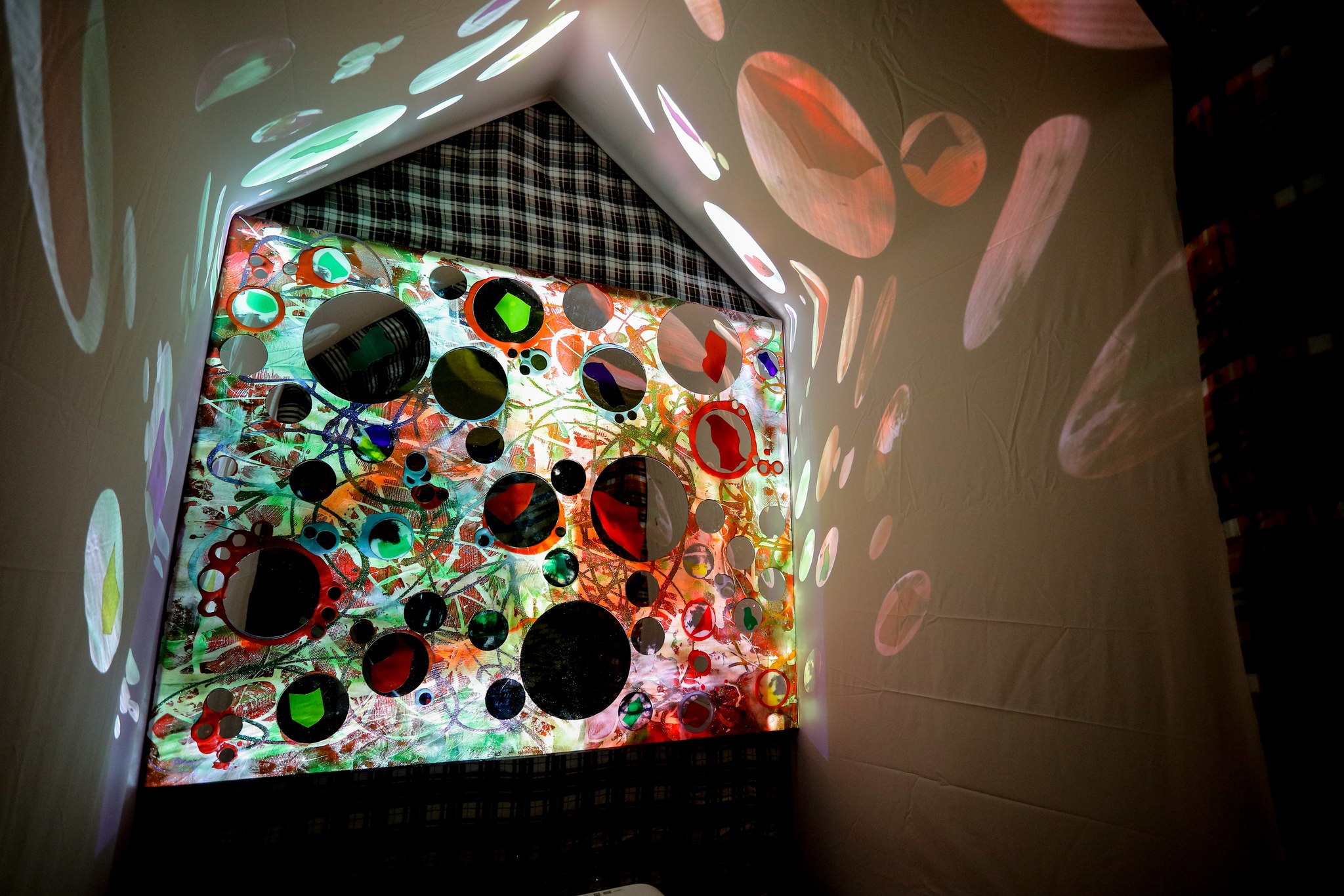
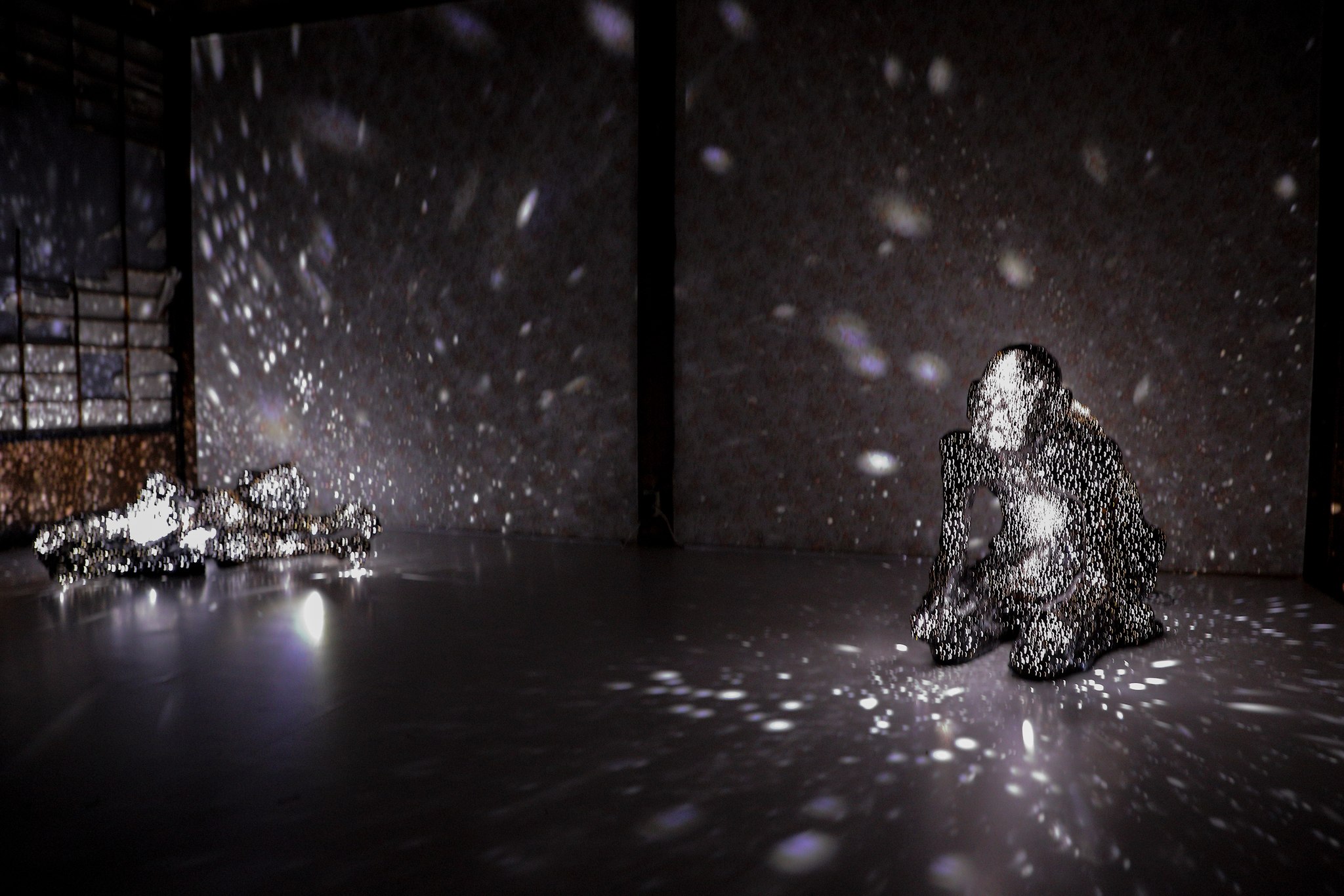
Open the door of the former Yoshizawa Souvenir Shop and human outlines emerge from the dark. In Mihoko Ogaki’s installation, pinpoints of light spill from the figures onto the walls and floor. Take a moment to let your eyes adjust. Waiting is part of the experience in this room where visitors once chose souvenirs.
Shomon Bunko × Takashi Nakajima
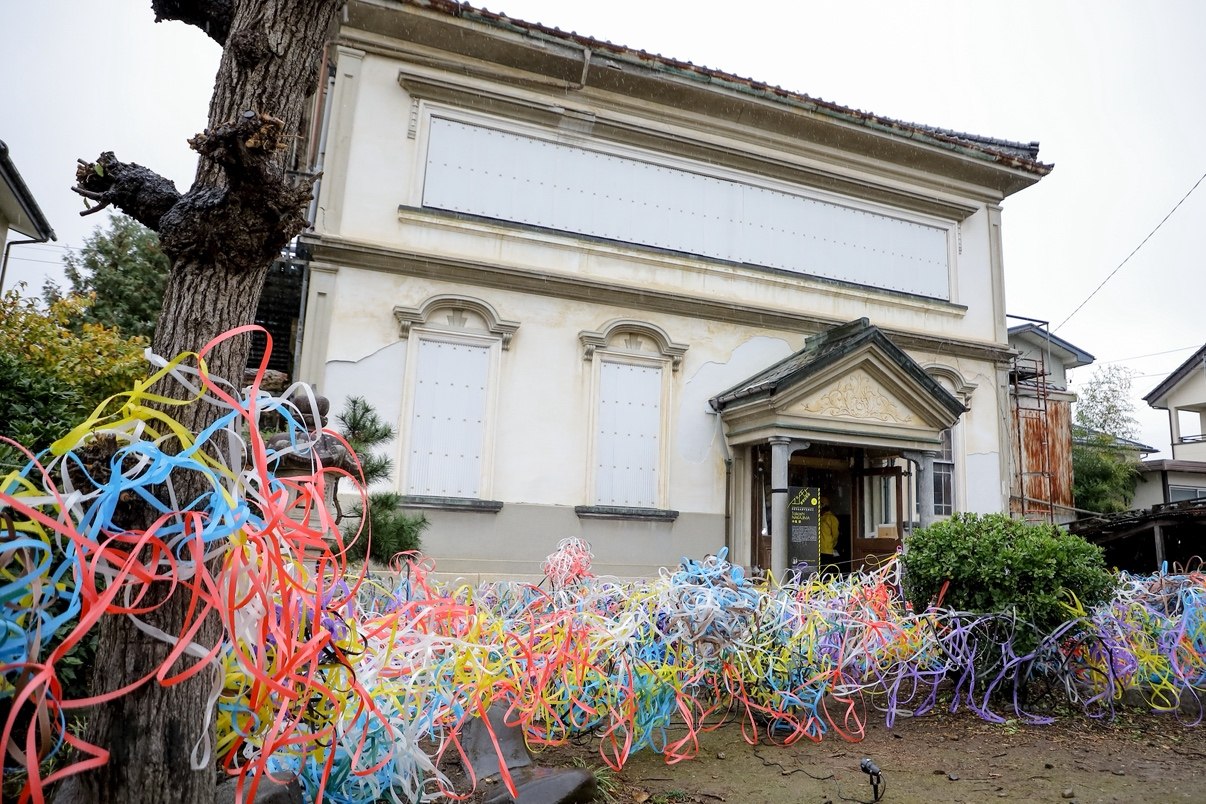
Shomon Bunko is a private library built in the Taisho era (1912–1926) and cared for by local volunteers. Takashi Nakajima uses everyday packing tape and film to send ribbons of colour out into the garden, across the view of the Western-style building and the trees. Walk around the garden and watch the light and colour shift.
From the hot springs to the castle town
In central Matsumoto, the Phoenix Room of Kappo Matsumoto-kan, a nationally registered cultural property, hosts a teamLab video work inspired by Ito Jakuchu’s grid paintings. The Former Priest’s House is showing woodblock prints by Lee Ufan.
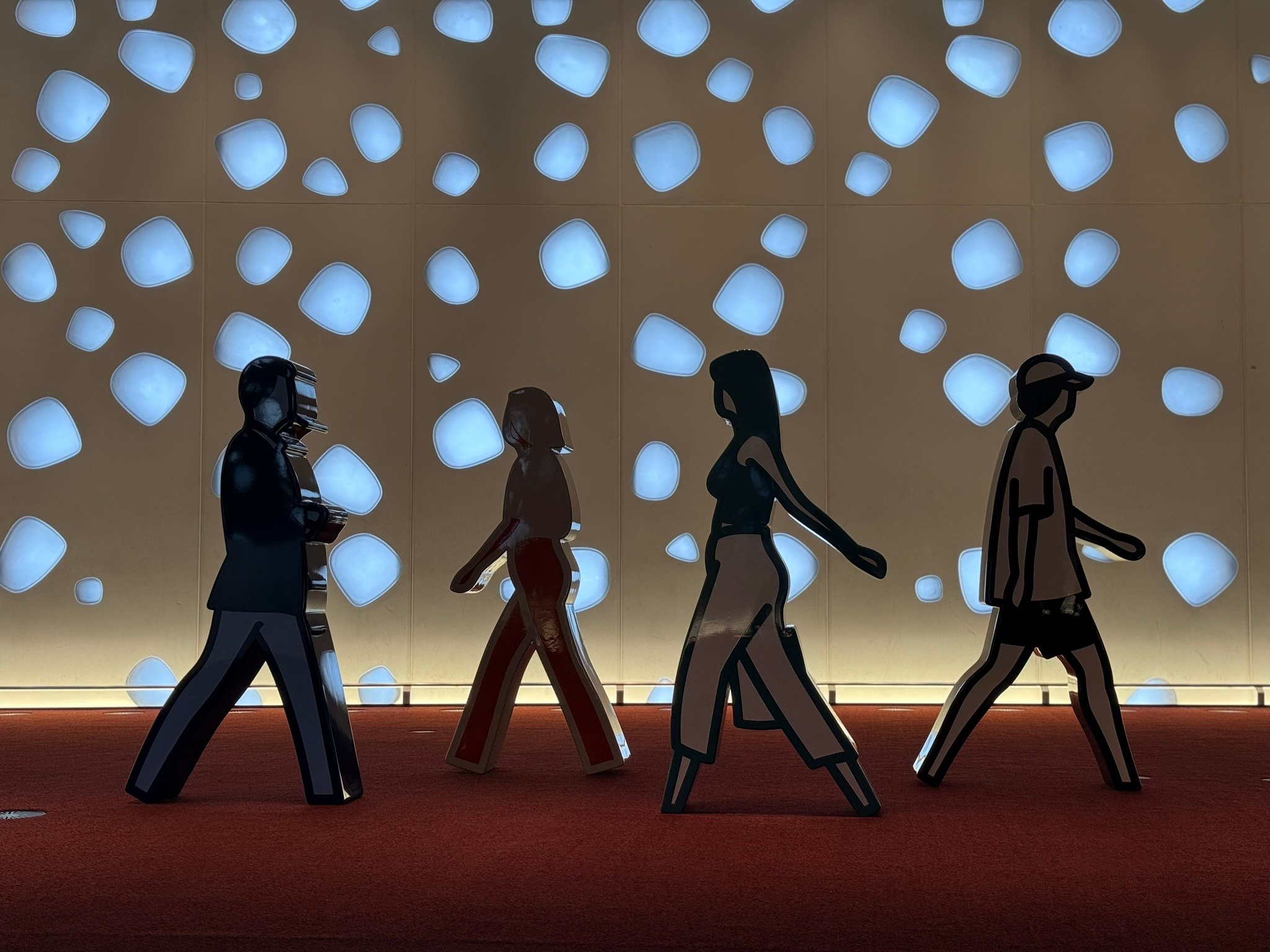
At the Matsumoto Performing Arts Centre, look out for Julian Opie’s Busan Walkers, sculptures based on people walking by the sea in Busan. Each of the four has a different stride and swing of the arms. For a moment it feels as though the street has wandered into the theatre.
West to Matsumoto City Historical Village
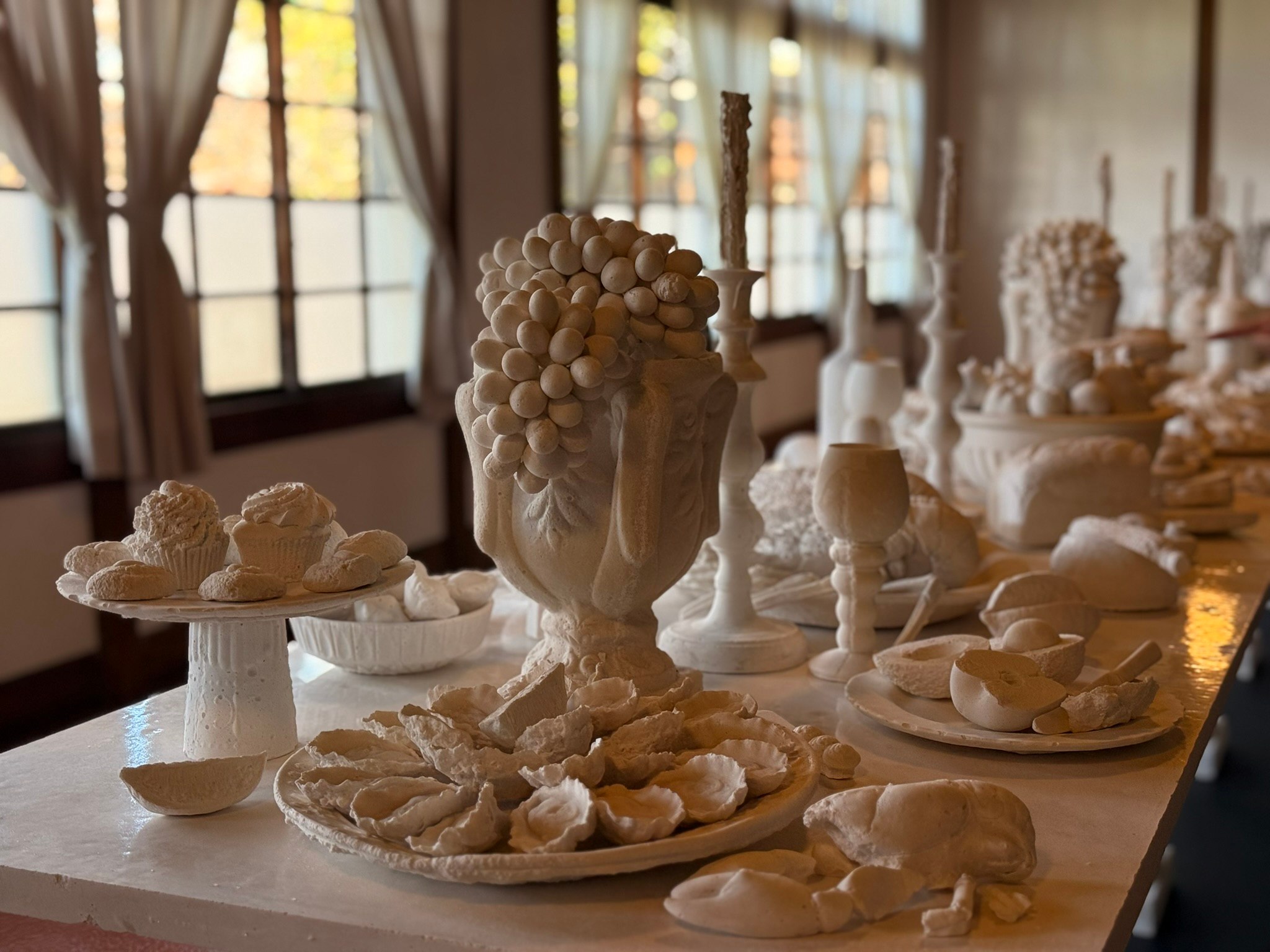
In the western part of town, the former Matsumoto District Court Building, an Important Cultural Property at Matsumoto City Historical Village, houses The Last Supper by Ken + Julia Yonetani. Look closely at the nine-metre table. The fruit, tableware and even the candlesticks are made of salt.
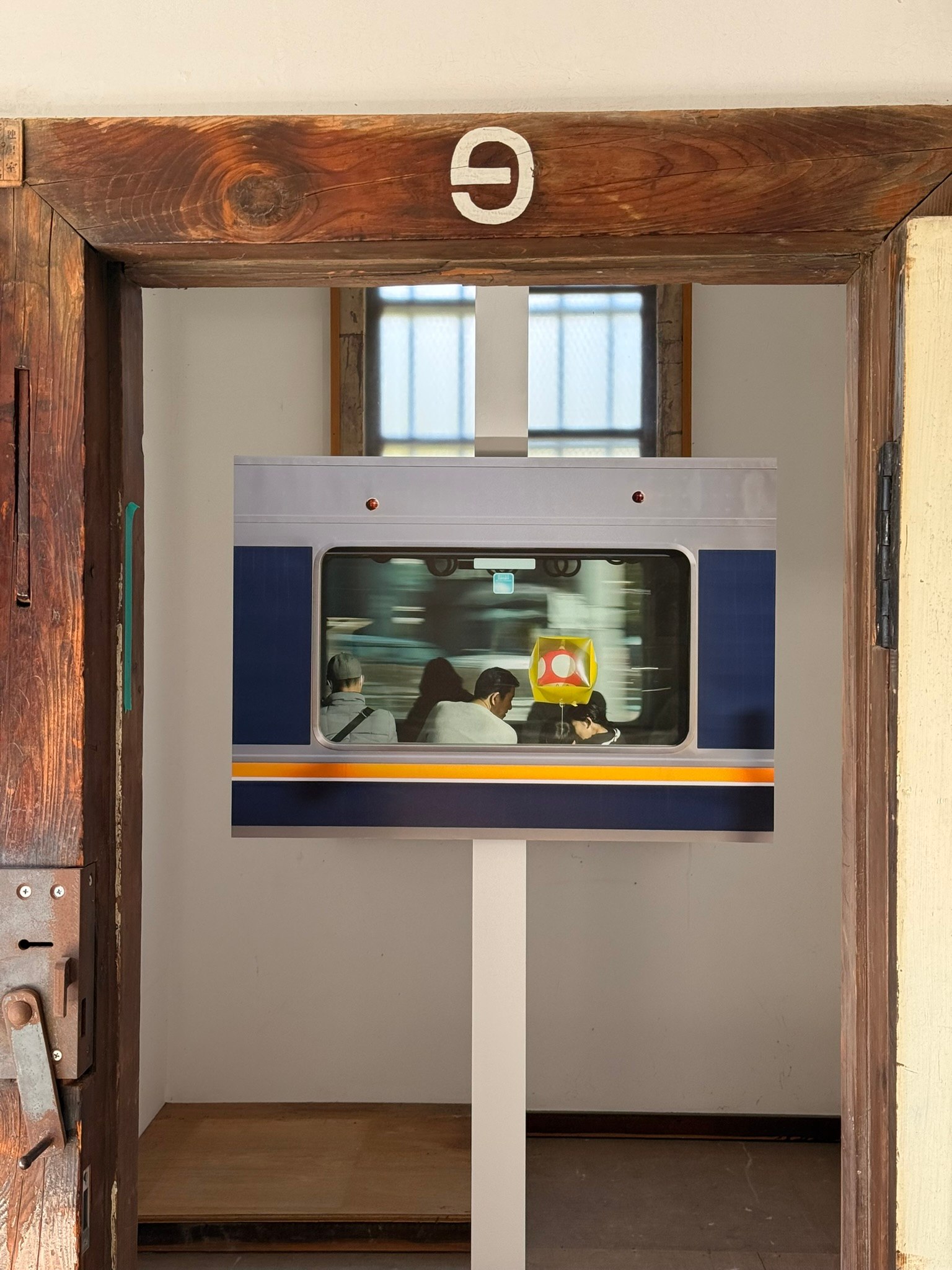
On the same grounds, in the former juvenile prison’s solitary cell block, Nobuhiro Sasaki shows photographs of the windows of passing trains. Pause at one of the small doorways and a fleeting glimpse of a railway carriage awaits on the other side. The contrast between standing still and the train carrying on stays with you.
After a day on foot, back to Asama Onsen
All four Asama Onsen venues are connected by the lanes of the hot-spring neighbourhood. Base yourself at 10 Stories Stay Matsumoto, near Matsumoto Jujo, and give the festival two days: Asama Onsen first, then the castle town. Leave time for the walks between buildings and artworks. They’re part of the visit.
Festival information
Dates: 3 November–13 December 2026
Venues: 19 exhibition venues across 18 sites in Matsumoto
Artists: 18 artists and groups from Japan and abroad
Passes: ¥3,000 general admission, ¥2,000 for senior high school, university and vocational students. Junior high school students and younger enter free with a parent or guardian.
Opening hours and closure dates vary by venue. Check the festival website for discounts and full eligibility details.
Matsumoto Architecture + Art Festival official website
Opening hours and closure dates by venue
One more stop: Matsumoto City Museum of Art
Just near the Matsumoto Performing Arts Centre, there’s one more stop worth making. The Matsumoto City Museum of Art is separate from the festival, and it’s a chance to see work by Yayoi Kusama in the city where she was born in 1929.
Her giant flower sculpture The Visionary Flowers stands in the forecourt. Polka dots spill out across the museum’s exterior and onto the vending machines. Inside, the year-round exhibition Yayoi Kusama: The place for my soul includes early works from her years in Matsumoto.
A text by Kusama at the end of the exhibition stayed with us. She kept painting through difficult years in New York, and her work gradually found a worldwide audience. Now people travel from far away to see it here. Read her words after seeing the work in her hometown and that journey feels especially close.
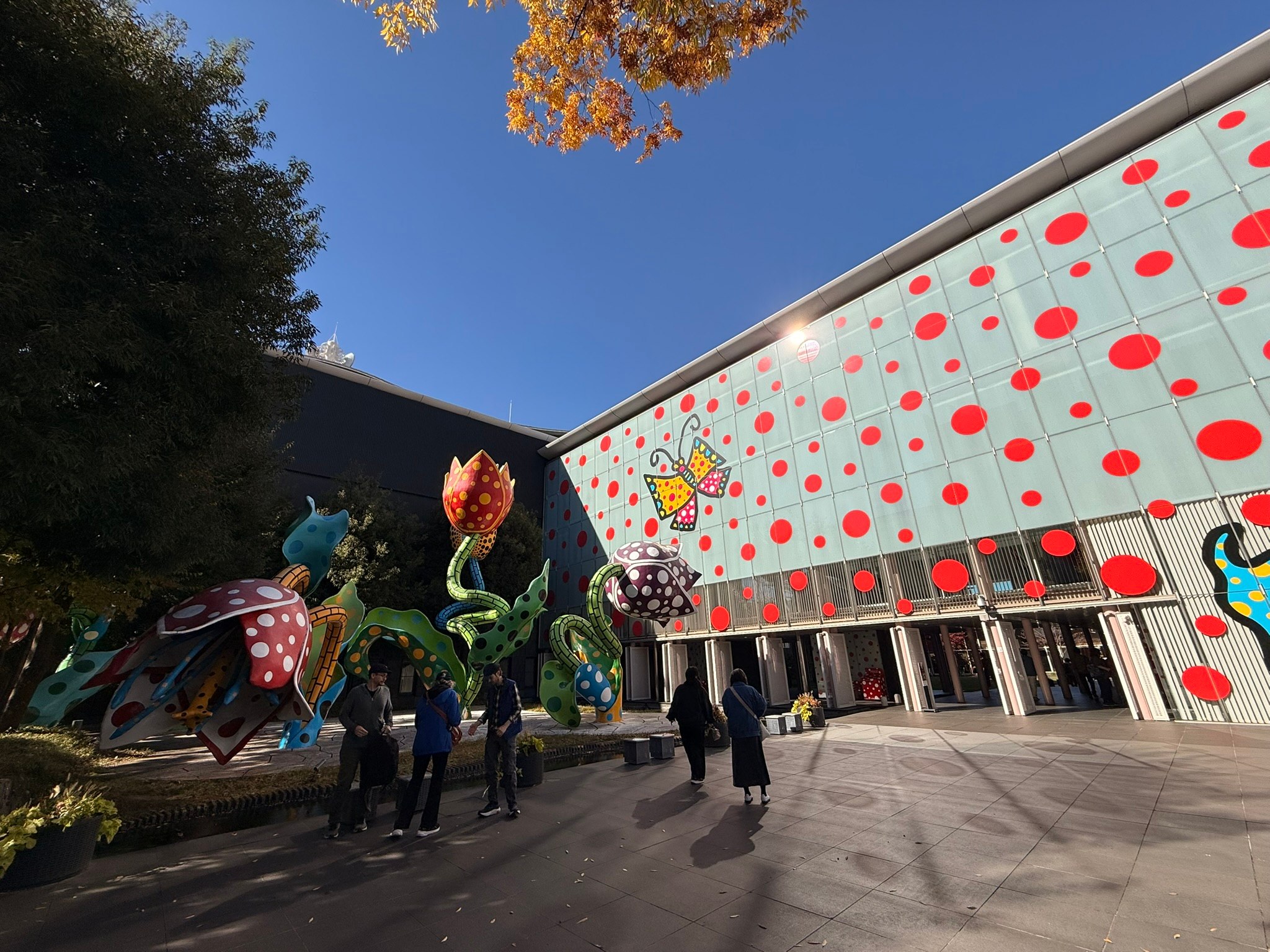
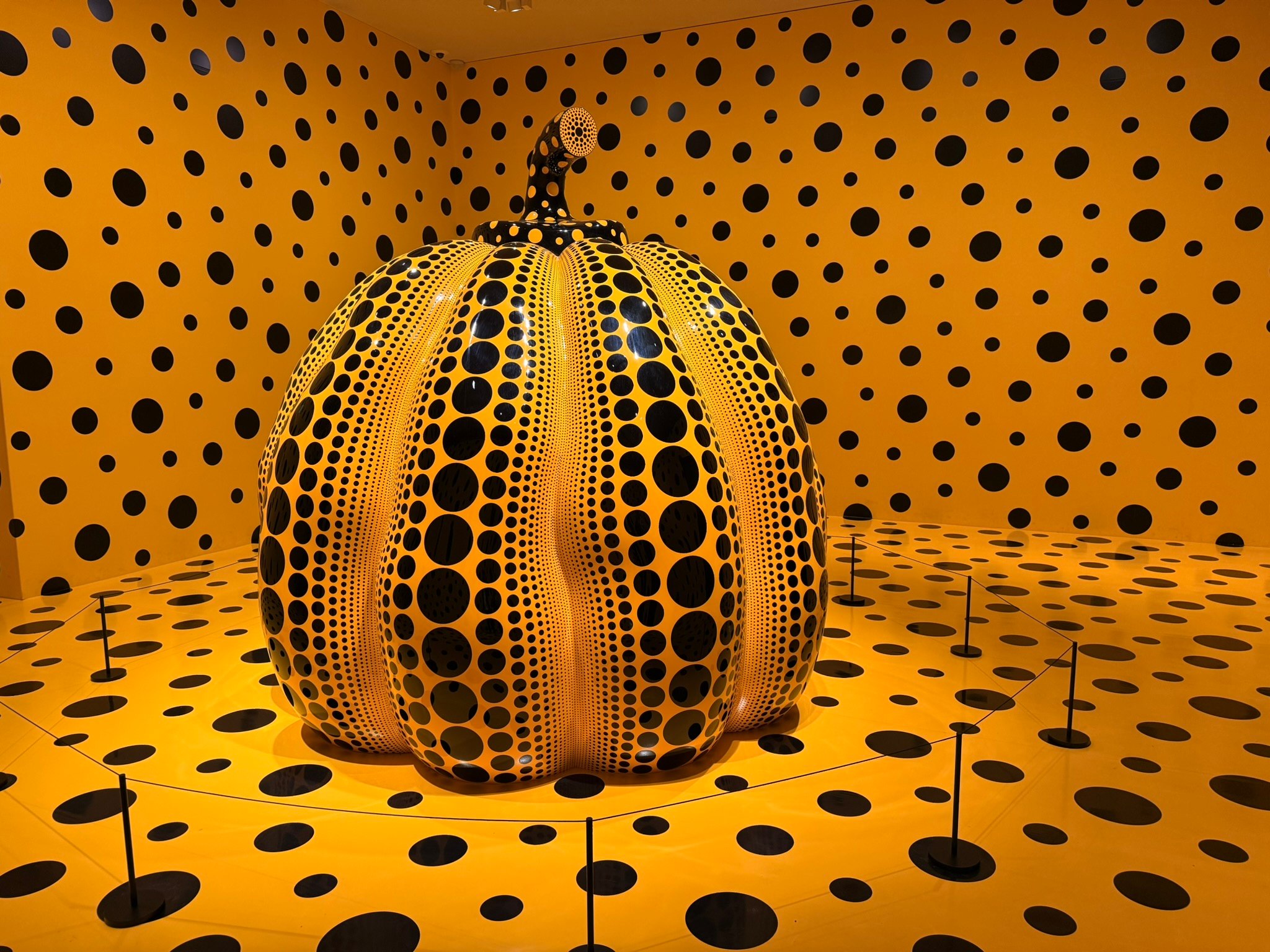
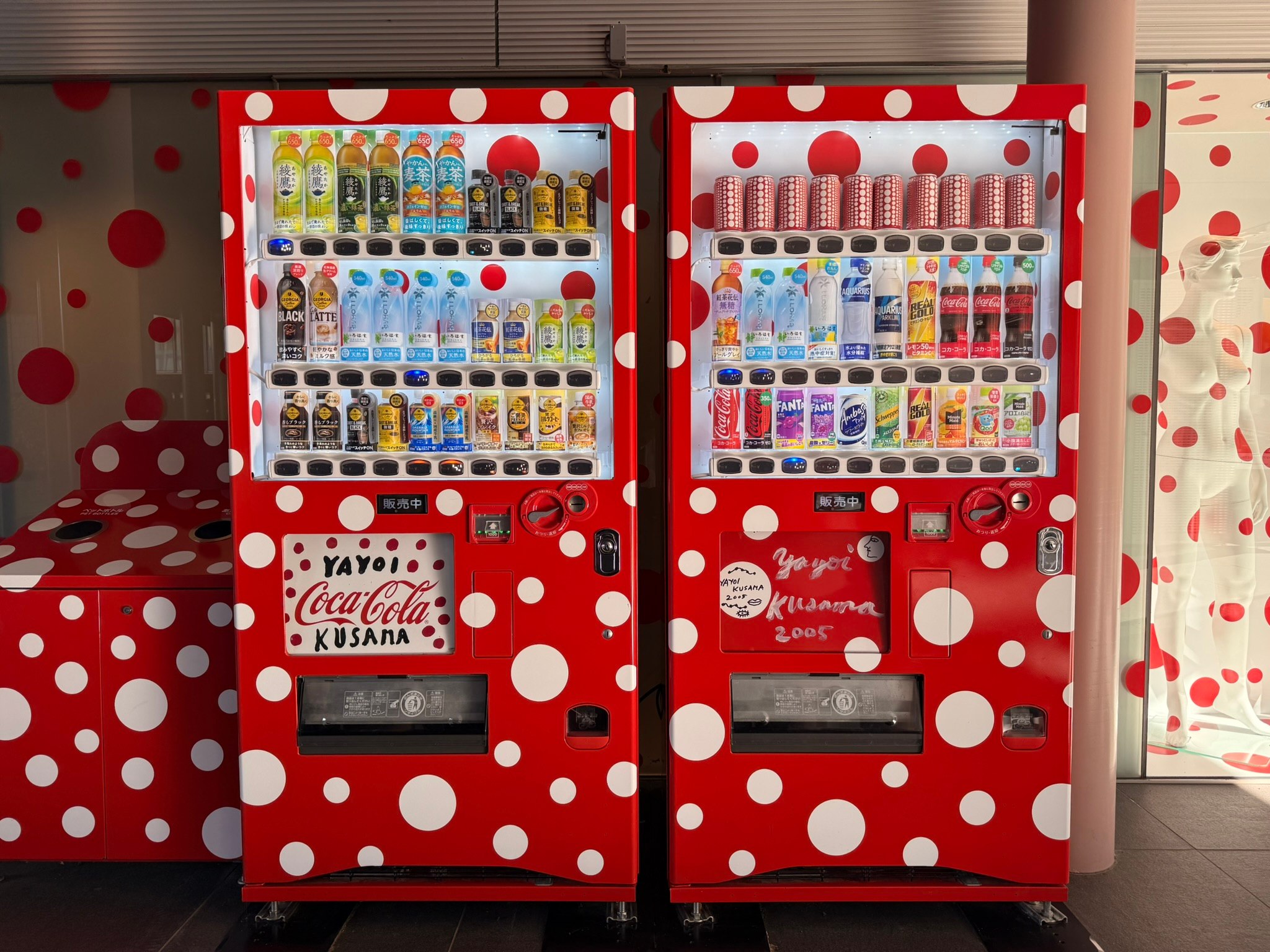
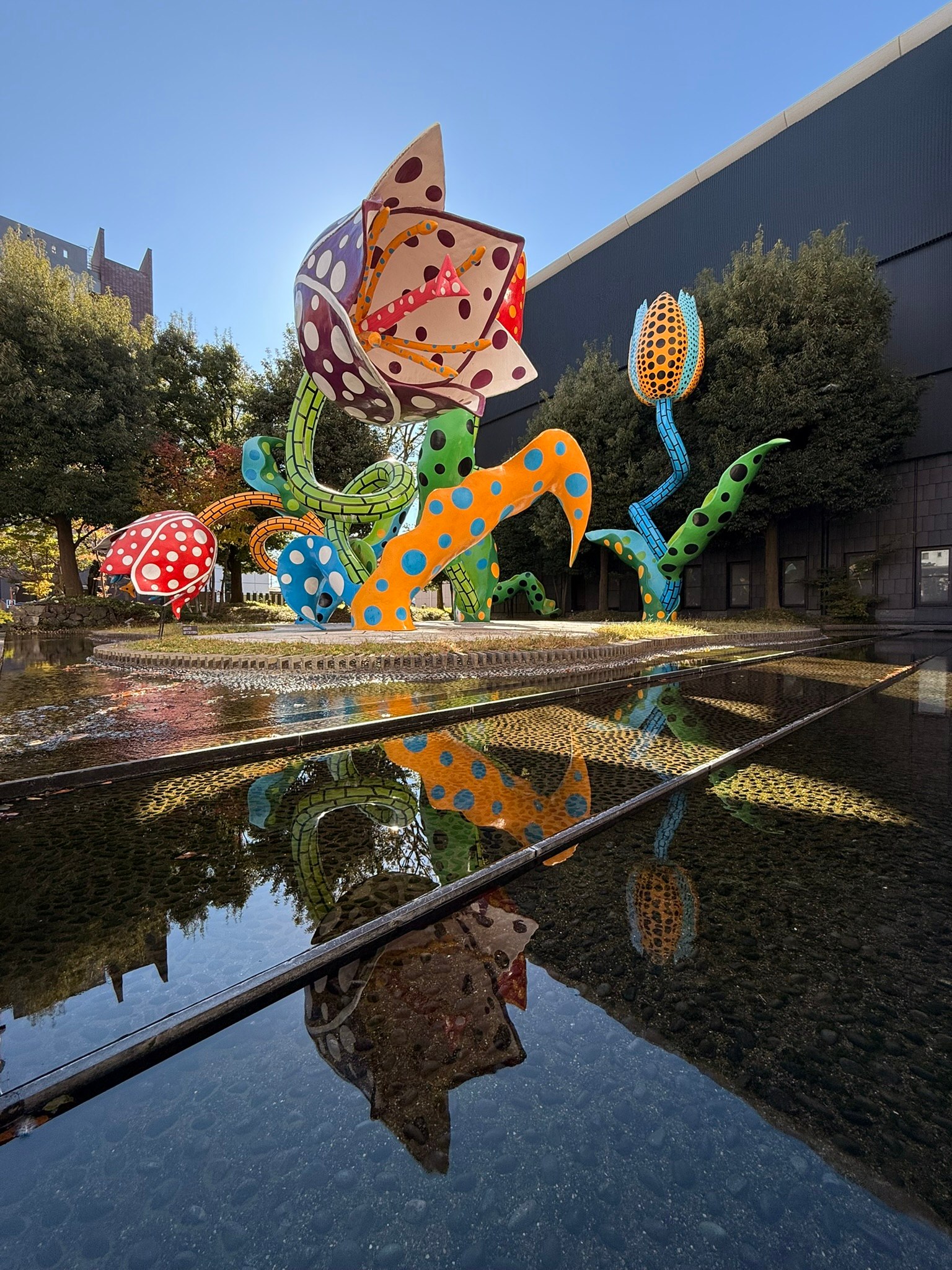
Matsumoto City Museum of Art: Yayoi Kusama: The place for my soul
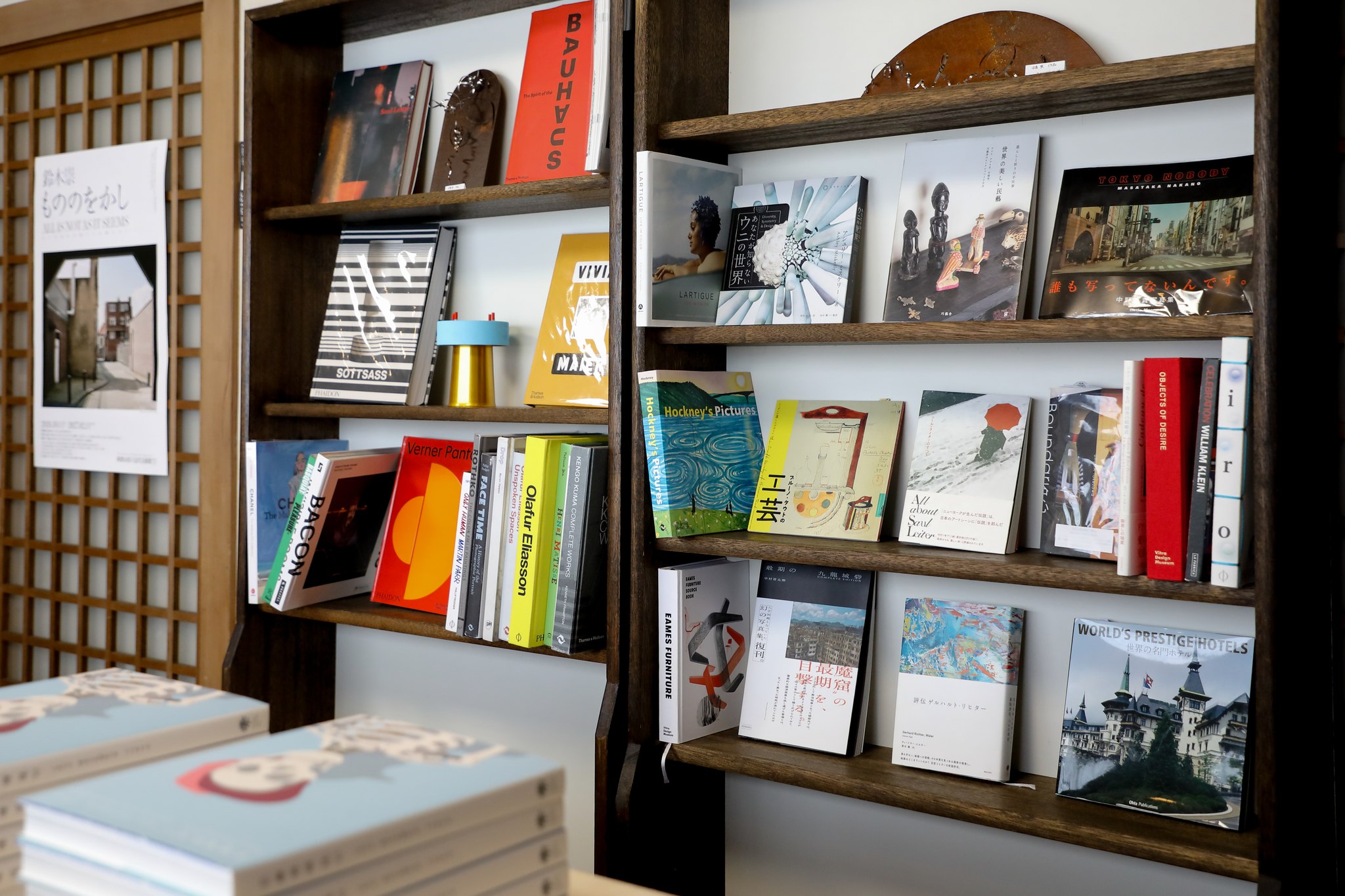
Matsumoto Honbako pops up at the main venue
Alongside the exhibition in Asama Onsen, the Matsumoto Honbako bookshop has a stand at the festival’s main venue. Browse books about Matsumoto and art, chosen for the occasion. If a work has left you with a question, there might be a book that takes you a little further.