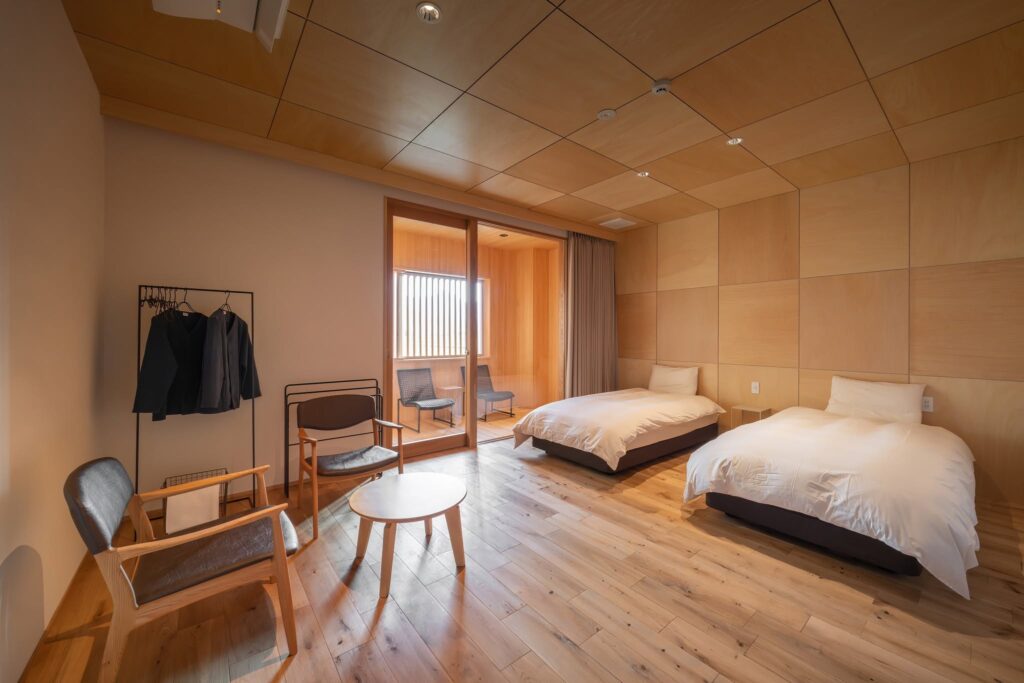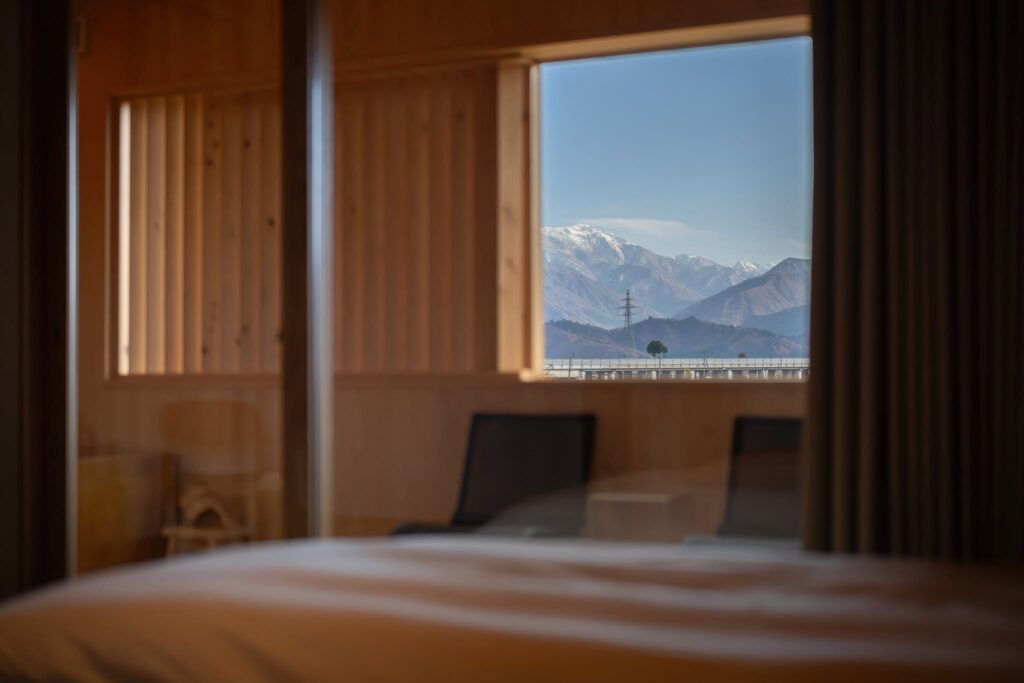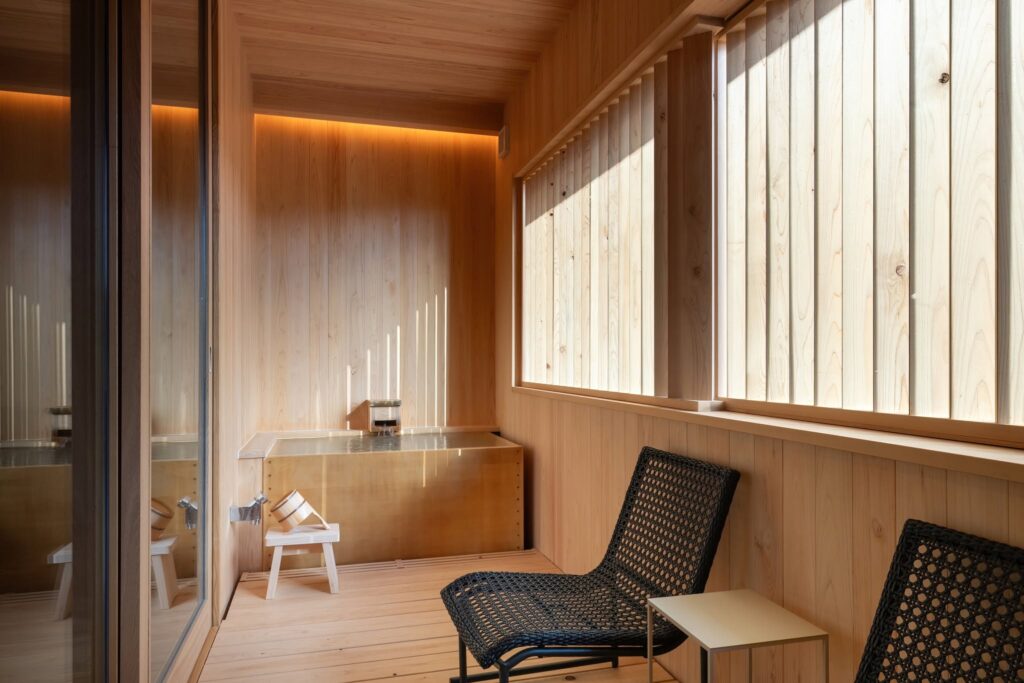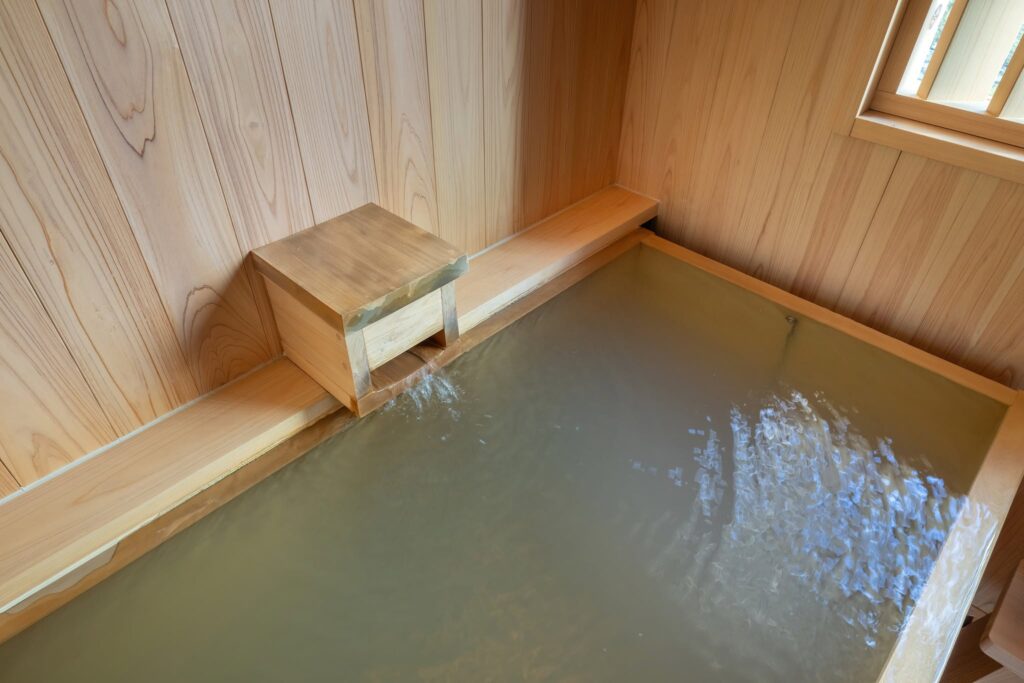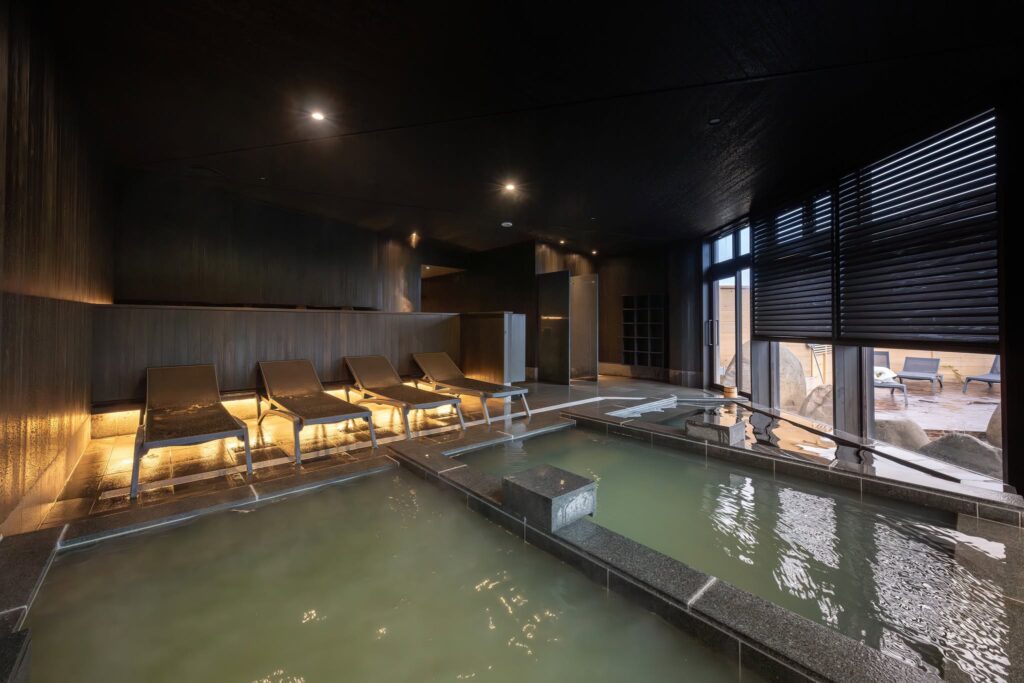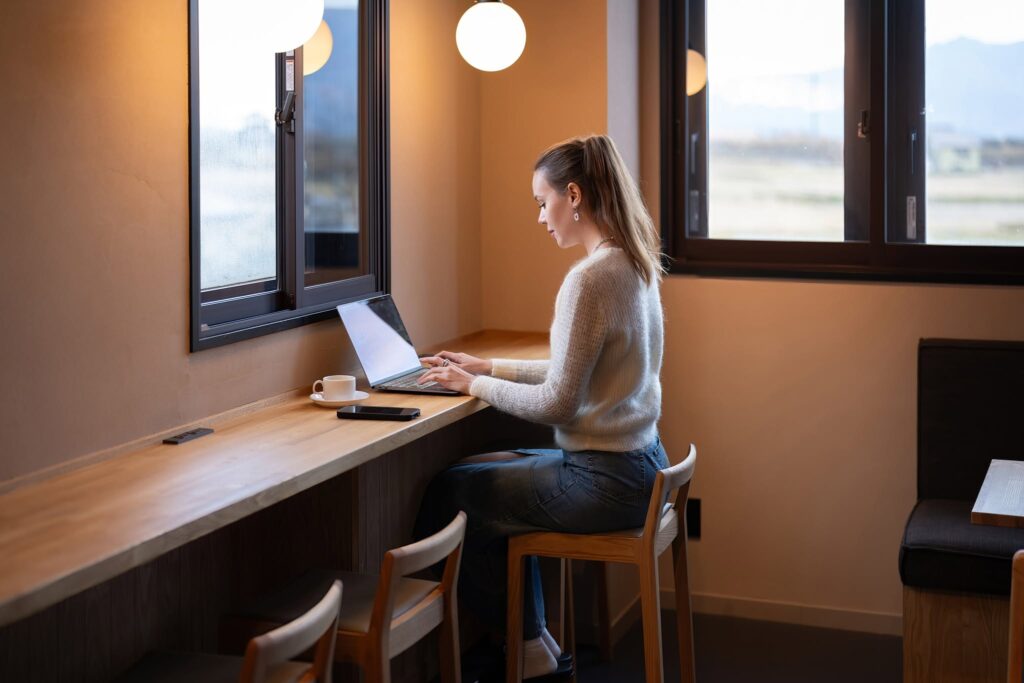
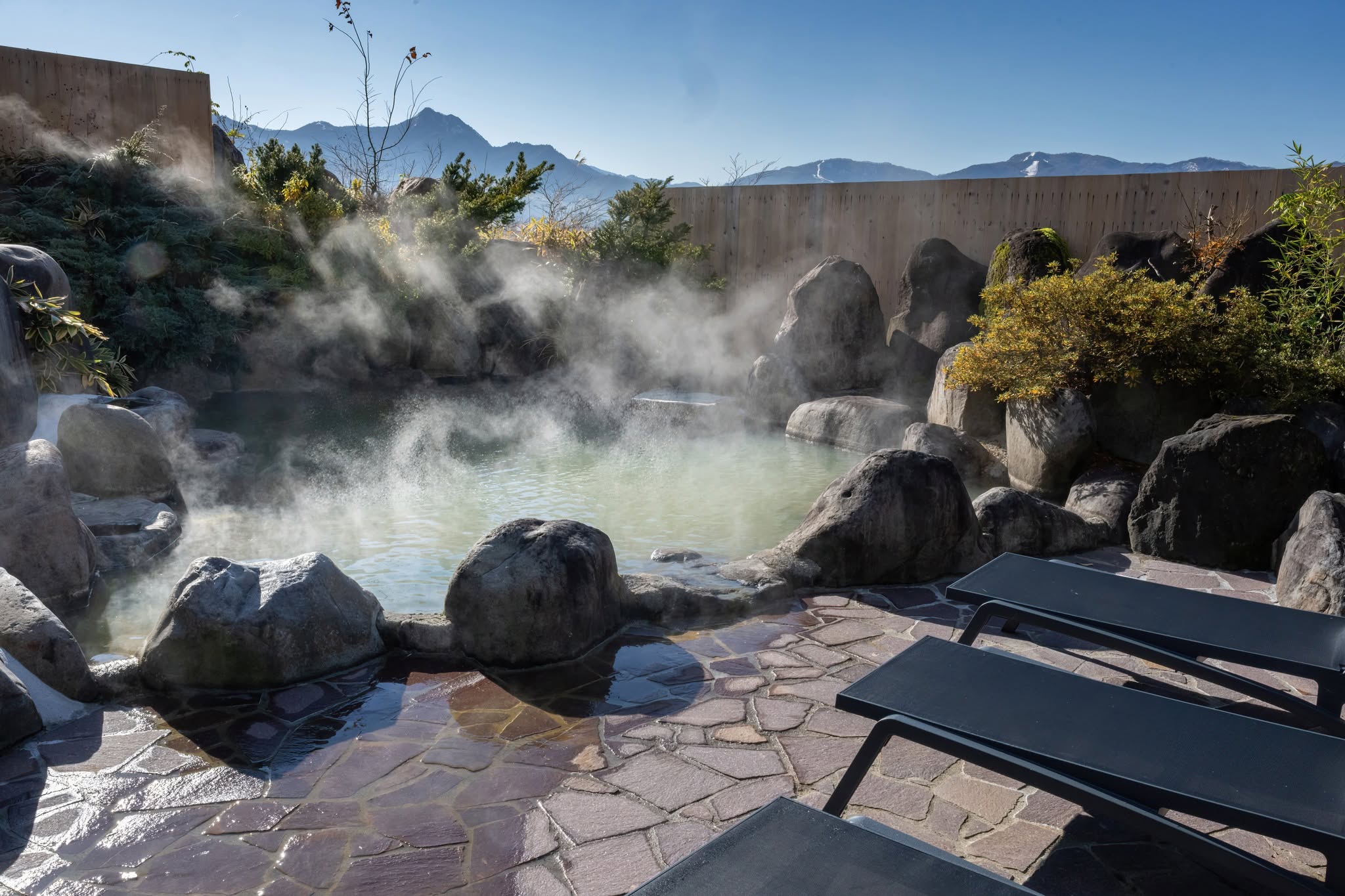
Our place with an office and a hot spring has a name: 10 Stories Stay. 'Jujo', the name shared by several of our hotels, means ten stories in Japanese.
This is another chapter in that family, with comfortable rooms and no full breakfast or dinner service. We wanted to make room for a different kind of journey.
Our idea: keep travelling.
I love a good Japanese ryokan: the baths, the food, the care that goes into a stay. But I also find myself wondering how often people can afford that whole experience.
As an innkeeper, I understand why the costs keep rising. As a traveller, I still want to go somewhere.
10 Stories Stay grew out of that conversation with myself.
At the risk of being misunderstood, I think small luxury ryokan (traditional Japanese inns) with fewer than 30 rooms are approaching a point where stays below ¥100,000 with two meals are no longer sustainable.
Welcoming guests at the car park, showing them around, serving dinner and breakfast, and seeing them off: staffing alone can cost ¥5,000–6,000 for each stage, or around ¥30,000 in total.
Once food is included, it is no exaggeration to say that two meals and service can amount to ¥60,000–70,000 per person.
Add depreciation, reserves for future investment, utilities and linen, and we are living in an era when the rate reaches ¥100,000.
But, viewed another way, those elaborate dinners and breakfasts can be more than guests actually want.
The staffing costs of arrivals and departures are high because check-in and check-out happen in concentrated peaks. Keeping enough people available for those peaks pushes up room rates.
You might ask why we do not simply offer room-only, breakfast-only or light-dinner options. In practice, we still need staff and meals prepared. We cannot tell someone not to come to work — and not to expect their pay — because fewer guests want breakfast today. Large properties can adjust, but small inns have little room to vary staffing costs. In essence, the choice becomes doing the whole service or leaving it out entirely.
10 Stories Stay leaves those services out. We do not formally welcome you on arrival or see you off.
We do not serve breakfast or dinner, but we provide equipment and facilities for a comfortable stay.
At Yuzawa Uonuma, the hot spring flows directly from the source, there are saunas, and the rooms are spacious.
We opened with rates from ¥9,000 a night — about as low as we could go. Frankly, that price is difficult to sustain, but we intended to keep trying for a while.
There are many places to eat around Yuzawa Uonuma: Ryu-zushi, Keyakien and Miyanoya, for example. For something more casual, try the izakaya Kinari or Uonuma Kamakura. For breakfast, rice balls at Farm Front Seki Farm are a favourite.
This is not an entirely unstaffed building: it also houses Jiyujin's headquarters and editorial team. We began as a magazine publisher, and our staff use the baths and saunas too. What we leave out is conventional hotel service. The good soak stays in.
We hope you will come and discover 10 Stories Stay.
Toru Iwasa, Creative Director, Jiyujin Co., Ltd.